
Moving to Mallorca full-time is very different from visiting for a summer week. Day-to-day comfort depends on whether a town stays lively in January, commute time to Palma and the airport, winter insulation and realistic housing budgets.
Below is a practical breakdown of Mallorca’s main residential areas backed by 2,100+ active public listings on Vivia Mallorca (November 2026, from local agencies and private owners with zero buyer fee).
1. Palma de Mallorca: Best for Year-Round City Life & Walkability
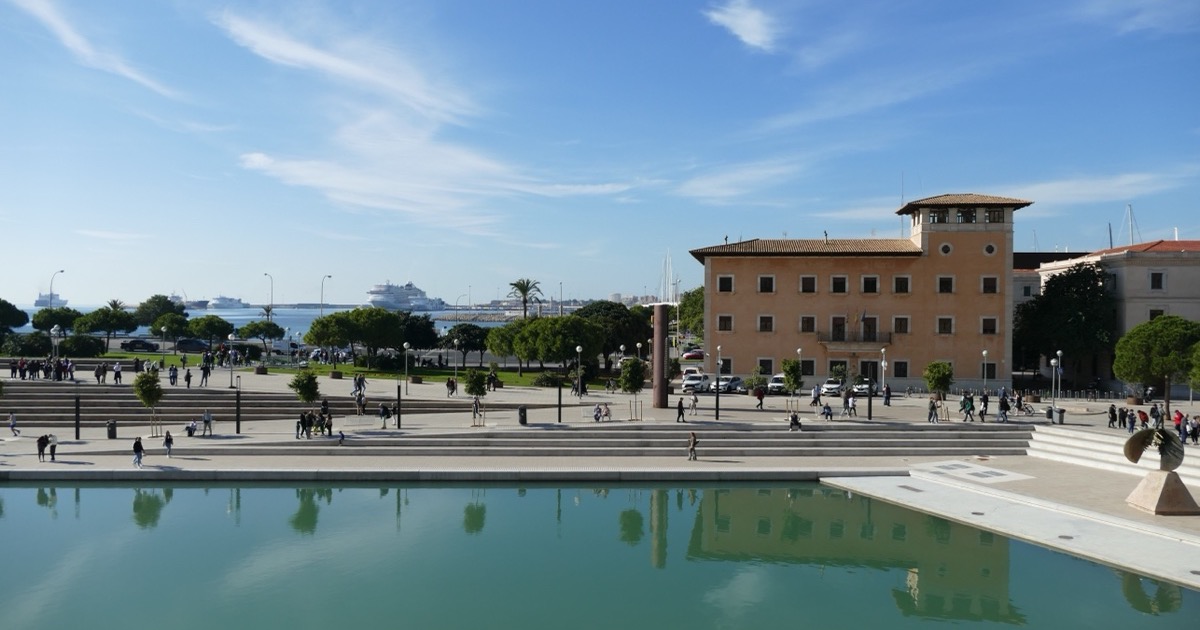
If you want restaurants, clinics, coworking, schools and the airport 10–15 minutes away without relying on a car every day, Palma de Mallorca is hard to beat.
- Key neighbourhoods: Old Town & Calatrava (historic architecture), Santa Catalina (vibrant market and dining), Portixol & El Molinar (seafront promenade and cycle path), and green residential hillsides like Son Vida and Génova.
- Trade-offs: Tight parking in central quarters and high entry prices (median asking prices sit between €1.1M and €2.0M depending on area, though apartments start around €205,000).
2. Southwest (Calvià & Andratx): International Schools & Marinas
- Calvià (Bendinat, Portals Nous, Santa Ponsa, Costa de la Calma): Just 15 minutes from Palma with strong winter services and international schools. Expect luxury pricing (median asking prices for houses/villas exceed €3.6M, with apartments starting near €650,000).
- Andratx & Port d’Andratx: Dramatic harbour views and countryside calm in S’Arracó, roughly 30–35 minutes from Palma.
3. Serra de Tramuntana: Mountain Villages & Heritage
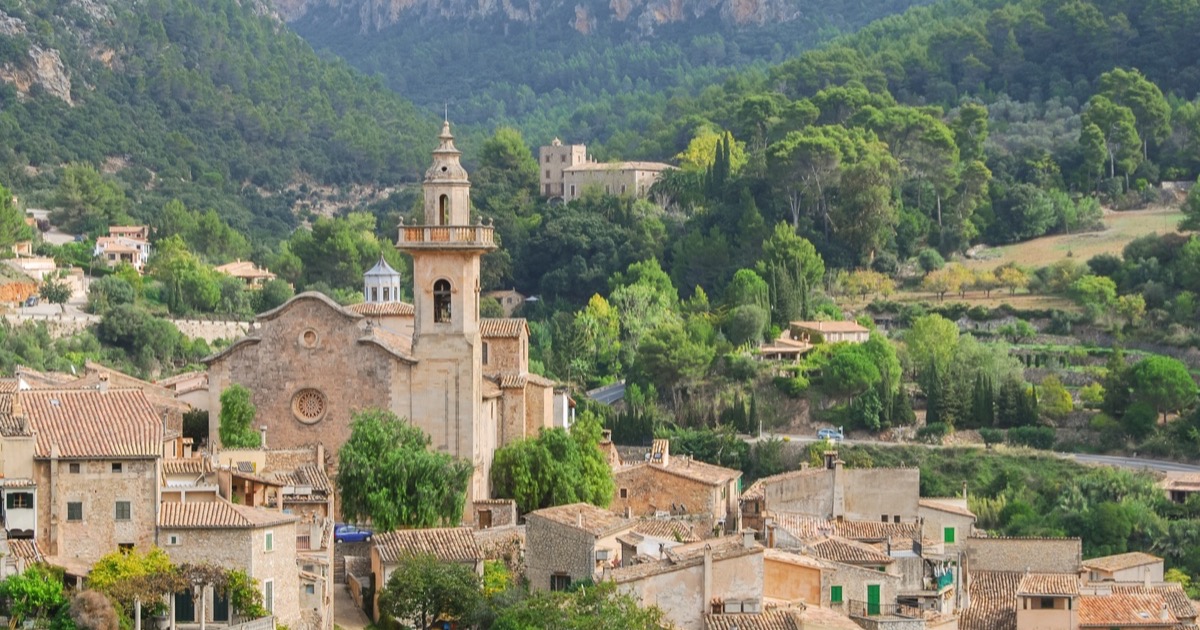
The UNESCO mountain spine offers stone villages and cooler summer evenings in Esporles, Valldemossa, Deià and Sóller.
- Resident insight: Esporles and Puigpunyent put you in nature just 15–25 minutes from Palma. Sóller connects through the tunnel in around 25 minutes (median asking price ~€1.65M, with homes starting near €399,000).
4. Inland Mallorca (Pla & Raiguer): More Space, Calm & Train Links
A growing number of remote workers and long-term expats are moving inland to escape peak-season crowds while keeping fast motorway or rail access to Palma:
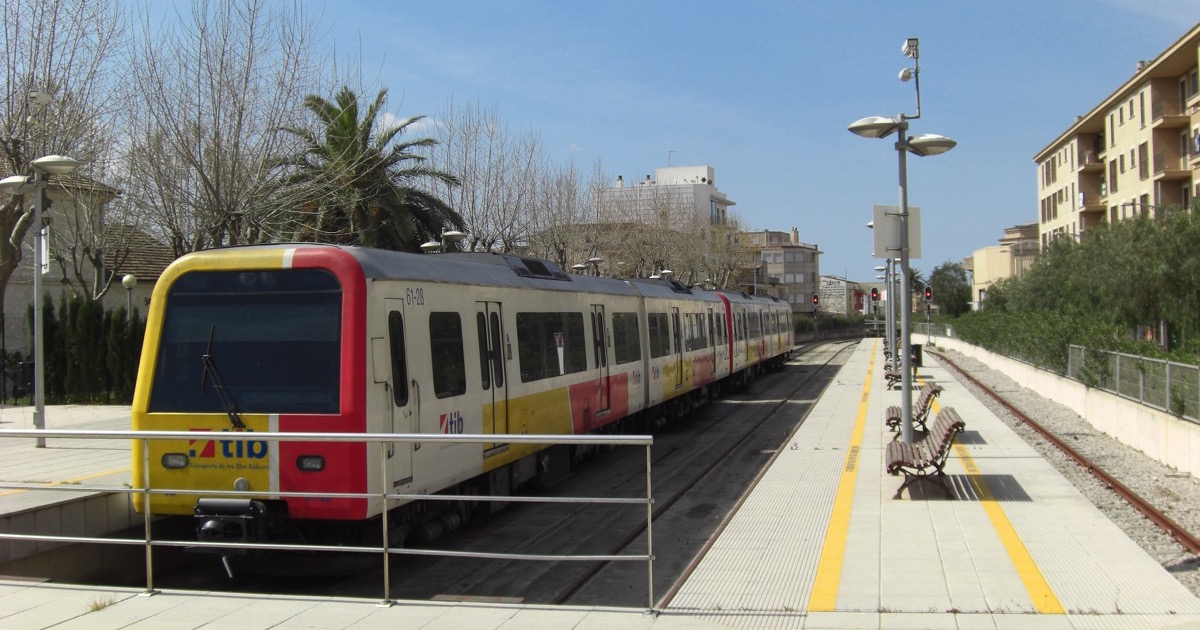
- Towns with direct train links to Palma: Inca, Binissalem, Lloseta, Sineu, Llubí and Petra.
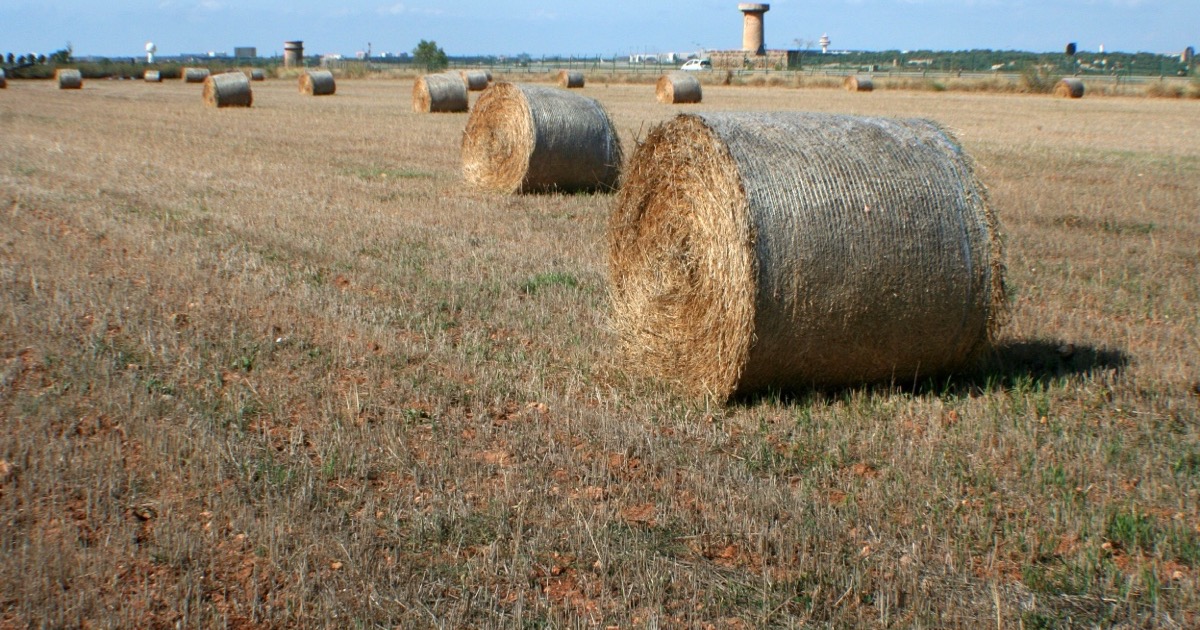
- Countryside hubs 20–30 minutes from Palma: Sencelles, Algaida, Santa Maria del Camí and Montuïri.
- Affordability: Petra (listings starting around €140,000; ~€650,000 median including large country estates) and Porreres offer noticeably larger plots and village homes than coastal areas.
5. North, East (Llevant) & Southeast
- North: Pollensa and Alcúdia remain staples for families, cyclists and sailors. Nearby Campanet sits 15 minutes inland with green valley views and direct motorway access.
- East (Llevant): Manacor (the island’s second hub for services, hospital and rail, with a median asking price around €390,000), Capdepera (
€582,500 median), Artà and Son Servera (€650,000 median) provide strong value near sandy beaches. - Southeast: Santanyí (
€2.2M median) and Ses Salines (€749,000 median) stand out for warm stone architecture and proximity to Es Trenc.
6. Pros and Cons of Living in Mallorca
- Pros: 300+ days of sunshine, reliable year-round flights across Europe, high everyday safety, and mountain, city and sea within 45 minutes.
- Cons: High purchase and rental costs in Palma and coastal hotspots, summer traffic peaks, winter damp in unheated older properties, and car dependency outside Palma and the train corridor.
Ready to compare real homes and budgets? Explore the full Mallorca property catalogue in English.
Frequently asked questions
Which are the most affordable towns to live in Mallorca?
In Vivia Mallorca’s active catalogue, inland and eastern towns such as Petra, Manacor, Inca, Capdepera, Son Servera and Porreres show significantly lower median asking prices than Palma, Calvià, Andratx or Santanyí.
What are the best areas to live in Mallorca with children?
Palma, Calvià (Bendinat, Portals Nous, Santa Ponsa), Marratxí and Esporles offer the easiest access to international and local schools alongside year-round amenities.
Can you live in Mallorca without a car?
Living car-free works well inside Palma. Outside the city, choose towns on the SFM train line such as Marratxí, Binissalem, Lloseta, Inca, Sineu, Llubí, Petra or Manacor.
What are the main cons of living in Mallorca year-round?
High housing costs in Palma and coastal hubs, heavy summer traffic from June to September, damp winter evenings in uninsulated older stone houses, and limited bus frequency in small rural villages.